Home > Critical notes > From Quisquiza (10 of 20)
From Quisquiza (10 of 20)
Frost
The Night the Cold Took It
This note is part of a series written from Quisquiza, in the high-Andean cloud forest of Colombia, where ecological restoration and research now unfold side by side. It reflects on how living and working within this terrain gradually reshapes the way I think about memory, information, and the infrastructures built to sustain them. Check all the notes in this section's index.
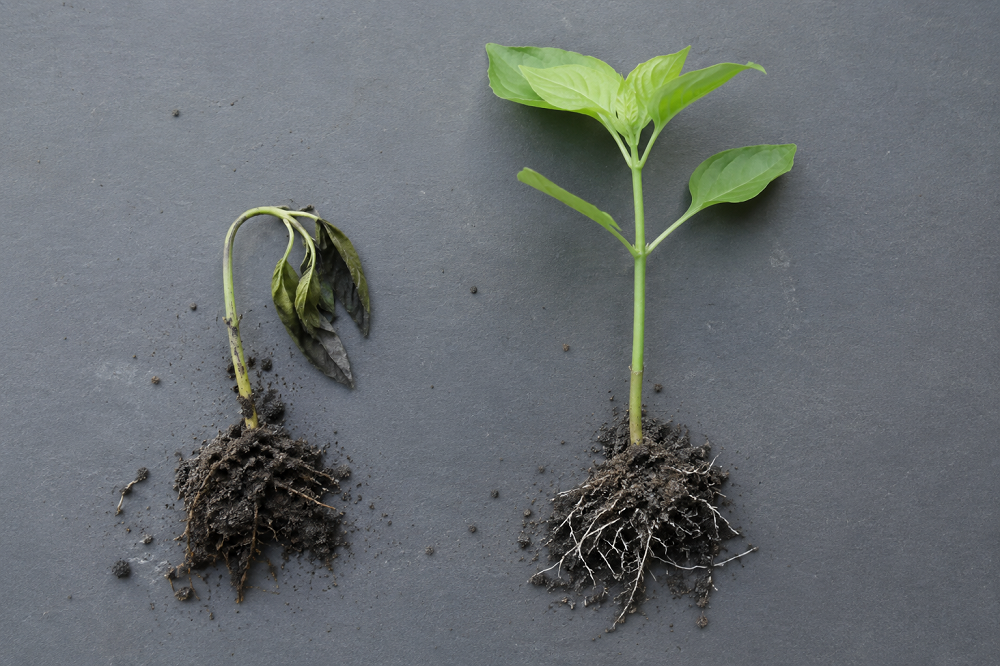
Some mornings, the leaves look bruised. Their edges have darkened. Tender stems have folded. New growth that stood upright the evening before now lies flat against the soil. It seems like the Four Horsemen rode all over the place.
But it was just frost.
Frost does not negotiate. A few hours of cold undo weeks of patient work. Seedlings that seemed established collapse by sunrise. The old clay tiles on the roof crack during the night.
(I can hear them. One sharp sound above the ceiling. Then another. Yeah. That creepy.)
By the time I go outside with my tinto, my Colombian black coffee, the event is over. The sky is clear. The air feels cold, but ordinary. Only the damage reveals what happened during the darkest hours.
(And you want to cry. Or swear. Or both.)
Frost is strange because the difference between endurance and injury can be very small. A plant tolerates the cold until the temperature falls slightly further, or remains low slightly longer. Water changes state, cells lose moisture, membranes rupture... A degree or two separates difficult conditions from irreversible damage.
The change is small. The consequence is not.
Some plants survive untouched. Others, only a few meters away, are ruined. A seedling beneath a larger leaf remains green. Another in open ground collapses. Plants close to the stone wall survive because the wall releases a little heat during the night. Cold air settles in a shallow depression and takes almost everything growing there.
The morning reveals differences that had remained invisible while conditions were favorable: exposure, shelter, moisture, age, position, previous stress. The garden had never been uniform. It only looked that way because nothing had yet crossed its thresholds.
Human systems can also appear stable while operating very close to a boundary.
The work continues. Requests are answered. Collections remain accessible. Projects advance. Reports are submitted. But there may be no spare time, no substitute for one essential worker, no room in the budget, no alternative route when a process fails, no capacity to absorb one more demand.
Then something relatively small changes. One person leaves, one grant ends, one server fails, one deadline moves forward, one conflict that had been contained becomes impossible to ignore...
The immediate event receives the blame because it occurred last. But the threshold was built slowly, through accumulated workload, deferred maintenance, concentrated knowledge, exhausted relationships, and the gradual disappearance of alternatives.
The final drop, the little extra degree, takes the plant out. But the plant arrives at that point carrying its entire history.
Efficiency often brings systems closer to this edge. Unused capacity appears wasteful. Overlapping knowledge looks redundant. Unassigned time looks available for another task. A second route seems unnecessary while the first one works. Everything is tightened.
The resulting system may be productive, elegant, and impressively organized. It may also have almost no margin between ordinary strain and collapse.
Margin is difficult to value because it consists partly of what is not being used: an extra hour, a reserve fund, another person who understands the process, a procedure that permits exceptions, a relationship strong enough to survive disagreement... It looks unnecessary — until the cold arrives.
Frost also exposes the limits of averages. A month of tolerable nights does not cancel the single hour during which living tissue freezes. An institution may function well most of the time and still depend on one tiny event or moment whose failure changes everything.
Averages describe the climate. Thresholds decide what survives the night.
By midmorning, sunlight reaches the garden. Drops gather on the damaged leaves. From a distance, they almost look healthy again.
But they are not. The air has warmed, but the cells do not simply reverse what happened. The tile does not close its crack. Normal conditions return while the damage remains.
The next planting cannot be designed only for the conditions under which the first one grew well. It must also account for the brief condition under which it could not survive. Not because every night will bring frost. Because one of them will.
Cold teaches quickly. It teaches that apparent stability may extend all the way to the edge of collapse. That small changes can produce consequences entirely out of proportion to their size. And that survival sometimes depends on what looked unnecessary the day before.
The wall. The older leaves. The empty space. The extra hour. The second person who knows.
(And I am beginning to learn, the hard way, where my own thresholds are. Shit.)